

From Attendee Experience to Operational Excellence and What Comes Next
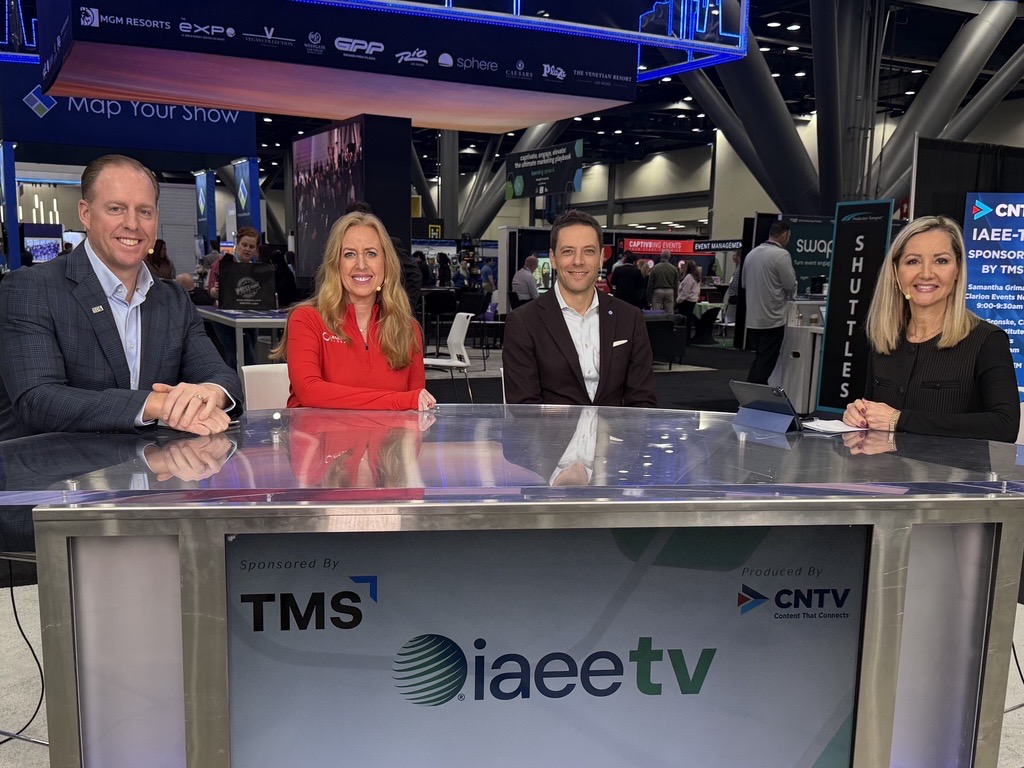
It was also a moment of reflection for TMS, as Expo! Expo! marked our 30 years serving the industry. Three decades in the business offers a unique perspective, both on how far the industry has come and how events are continuing to evolve. What stood out most, however, were the consistent signals about where organizers are focusing next.
The insights below are organized in a deliberate order, starting with the attendee journey, then the role of mobility, and finally what these shifts point to as we look ahead to 2026. Each section is paired with a short video reference featured in our insights library.
1. Elevating the Attendee Journey
Designing the experience in motion
Across conversations at Expo! Expo!, organizers consistently reinforced that attendee perception is formed long before the show floor and continues well after attendees leave. The journey itself is no longer separate from the event. It is the experience.
Key Findings
- The journey defines the experience: Arrival, registration, movement between hotels and venues, and departure all shape how an event is remembered, often as much as what happens inside the exhibit hall.
- Frictionless entry sets the tone: When transportation drop-offs align closely with registration and badge pickup, attendees experience less friction and are able to engage more quickly in high-value activities.
- Transit time is being reimagined: Shuttle rides and travel time are increasingly viewed as opportunities for connection, storytelling, and brand presence rather than passive downtime.
- Personalization is becoming expected: Wayfinding, communications, and onsite guidance that reflect attendee behavior and preferences outperform generic approaches and reduce confusion.
- Human connection remains central: Technology supports efficiency, but hospitality, warmth, and face-to-face interaction continue to be the elements attendees value most.
2. Event Mobility Framework
From operational necessity to strategic driver
When the attendee journey is prioritized, transportation naturally moves out of the background. Organizers are increasingly recognizing mobility as a planning discipline that influences cost, sustainability outcomes, brand perception, and overall event performance.
Key Findings
- Transportation is a brand touchpoint: Mobility is often the first interaction of the day and the last moment attendees remember, giving it outsized influence on overall sentiment.
- Earlier planning leads to better outcomes: Transportation strategy is most effective when integrated during site selection and hotel block planning, where it can reduce complexity and control costs.
- A citywide approach is now required: Event mobility planning now extends beyond private shuttles to include public transit, rail, rideshare, pedestrian routes, and emerging mobility options.
- Real-time information is expected: Attendees increasingly expect live access to transit information and the ability to choose routes based on time, cost, and convenience.
- Sustainability must be measurable: Tracking and reporting the carbon impact of attendee movement is becoming standard for ESG reporting and stakeholder accountability.
3. 2026 Industry Trends
What these insights point toward
When attendee journey design and mobility strategy align, the broader direction for the industry becomes clear. The conversations at Expo! Expo! point to a continued shift toward more intentional, hospitality-driven events through 2026.
Key Findings
- Experience is replacing transactions: Organizers are increasingly measuring success by how welcomed, engaged, and energized attendees feel rather than by throughput alone.
- Immersive environments are becoming standard: Static show floors are giving way to interactive settings that encourage exploration, participation, and longer engagement.
- Education is moving onto the floor: Learning is leaving traditional breakout rooms and becoming integrated into the show floor, where content, community, and commerce intersect.
- AI is emerging as a creative tool: Artificial intelligence is being used to rethink programming, personalization, and content delivery, not just to automate workflows.
- Sustainability is foundational: Environmental responsibility is now embedded into planning decisions, brand values, and attendee expectations.
Closing Perspective
Expo! Expo! 2025 offered both perspective and clarity. It reinforced that the most successful events are designed from the attendee’s point of view, supported by intentional mobility planning, and guided by a renewed focus on hospitality and human connection.
For TMS, the show was an opportunity to reflect on three decades of industry evolution while staying firmly focused on what comes next. The future of events will be shaped not by isolated improvements, but by how well organizers align journey design, mobility strategy, and experience-driven thinking.
Organizations that master this alignment will set the pace for the industry through 2026 and beyond!